
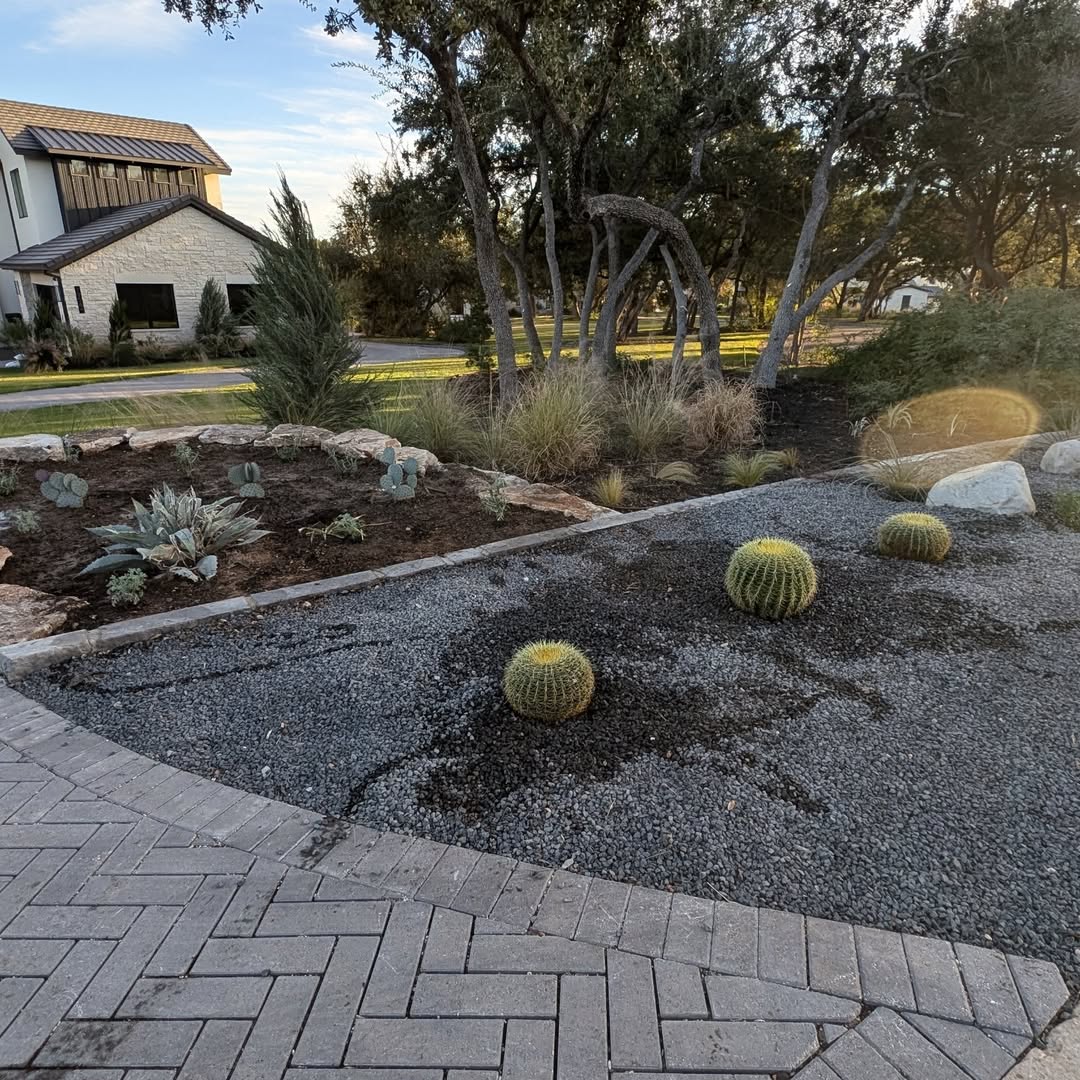
Gardening in Kendall County means working with two unavoidable realities — significant deer pressure and punishing summer heat. The solution is a landscape built around deer-resistant, drought-tolerant Texas natives: Texas Sage, Autumn Sage, Esperanza, Agave, Lantana, Gulf Muhly Grass, and more. Layer plant heights, repeat groupings of three to five plants per species, and work with the landscape rather than against it. These plants don't just survive out here — they're spectacular.
Every new homeowner in Boerne TX and Kendall County eventually has the same conversation with their neighbor: you describe what you planted over the weekend, and they give you the look. The gentle, knowing look that says: the deer are going to eat that. It's a rite of passage. And it's completely avoidable if you know what you're doing from the start.
Hill Country landscaping rewards those who work with the land rather than against it. The rocky, alkaline soils, the limestone-filtered light, the cedar and live oak canopy, the summer heat that genuinely does not apologize — these conditions have shaped an entire ecosystem of plants that are not just tolerant of this environment but built for it. Learn those plants, and your landscape will be not only low-maintenance but genuinely beautiful in ways that imported ornamentals never quite manage out here.
The Reality of Hill Country Deer Pressure
Kendall County's deer population is significant — and the local deer have had time to sample every plant known to horticulture. When we say deer-resistant, we mean plants with characteristics that deer consistently avoid: strong scent (rosemary, salvia, lavender), unpalatable texture (agave, yucca, ornamental grasses), or bitter and mildly toxic compounds (lantana, oleander). No plant is truly deer-proof when a herd is hungry enough and your property is the only green thing around. But the right plant selections dramatically reduce losses and can make the difference between a landscape that thrives and one that looks like a salad bar by June.
The practical approach is to start with a backbone of plants deer consistently leave alone, then add plants in the "usually resistant" category in protected areas or where deer pressure is lower. Save the truly deer-susceptible plants — roses, most vegetables, most annuals — for enclosed beds, raised planters, or areas close enough to the house that foot traffic discourages browsing. Out in the open landscape of a Hill Country acreage property or Kendall County subdivision lot, your foundation should be native and deer-resistant from the start.
"The right plant in the right place isn't just good gardening — in the Hill Country, it's the difference between a landscape you love and one you're replacing every spring."
— Rise Property Group, Boerne TXTop 10 Deer-Resistant, Drought-Tolerant Plants for Boerne TX
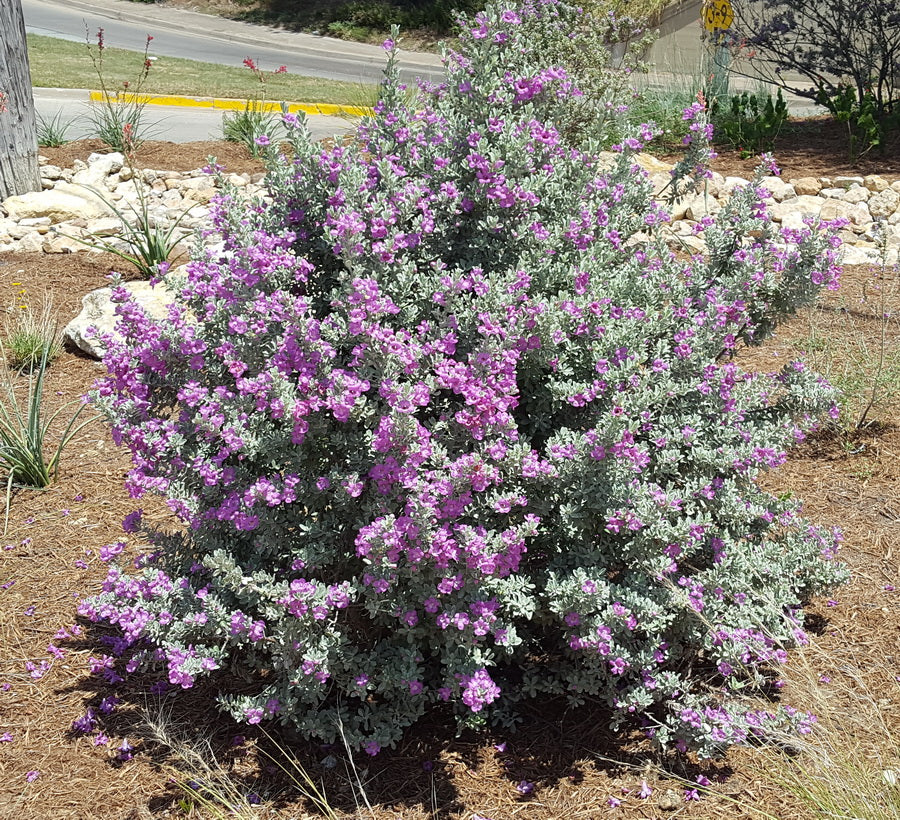
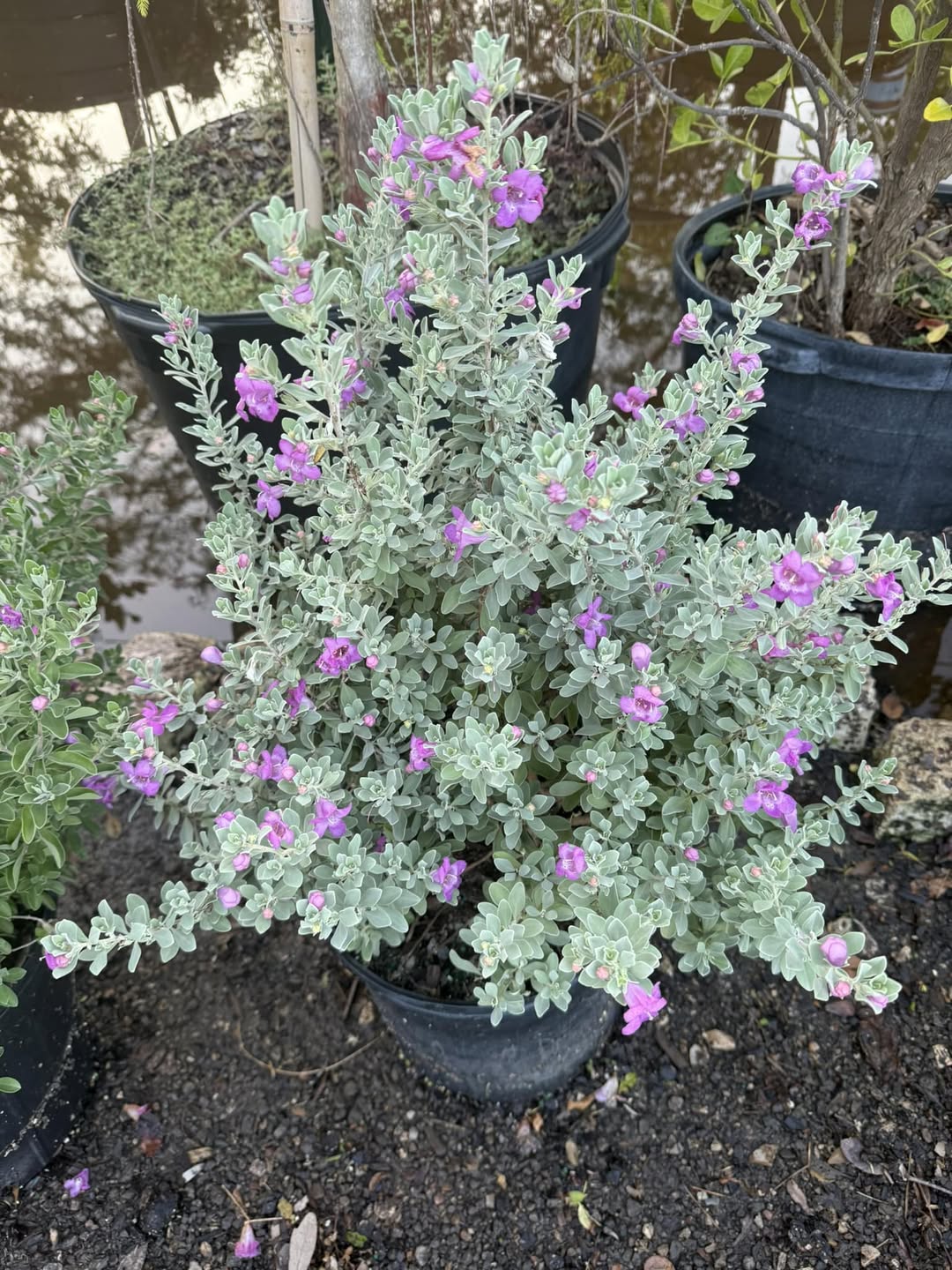
1. Texas Sage — Leucophyllum frutescens
The quintessential Hill Country native. Texas Sage erupts in brilliant purple blooms after a good rain — a phenomenon so reliable that old-timers use it as a weather barometer. Between blooms, the silver-green foliage is beautiful, compact, and absolutely uninteresting to deer. It thrives in full sun, rocky alkaline soil, and reflected heat that would kill most plants. Mass it along a fence line or use it as an informal hedge and watch it perform year after year with almost no intervention.
2. Rosemary
Deer strongly dislike the scent of rosemary, which makes it one of the most reliable deer-deterrents in a Hill Country landscape. It's also fragrant, evergreen, edible, and genuinely attractive as a structural plant in a xeric bed. Rosemary thrives in our rocky, well-drained soils and handles heat with ease. Upright varieties work well as low hedges or anchors; trailing varieties are excellent cascading over a limestone retaining wall.
3. Autumn Sage — Salvia greggii
One of the most rewarding plants in a Hill Country garden. Autumn Sage blooms in red, pink, coral, and white from spring through the first hard frost — a span of six months or more in a Boerne TX year. Hummingbirds find it irresistible. Deer find it completely unpalatable. It establishes quickly, requires almost no supplemental water once rooted, and rewards hard pruning in late winter with dense, floriferous new growth. Plant it in full sun and step back.
4. Esperanza — Tecoma stans
If you want a showstopper that performs all summer in the Texas heat, Esperanza is your plant. The bright yellow trumpet-shaped blooms appear in late spring and continue without pause through fall. It grows large and fast — five to eight feet in a single season under good conditions — so give it room. Completely deer-resistant and genuinely heat-loving, Esperanza is at its best when the rest of the landscape is wilting in August.
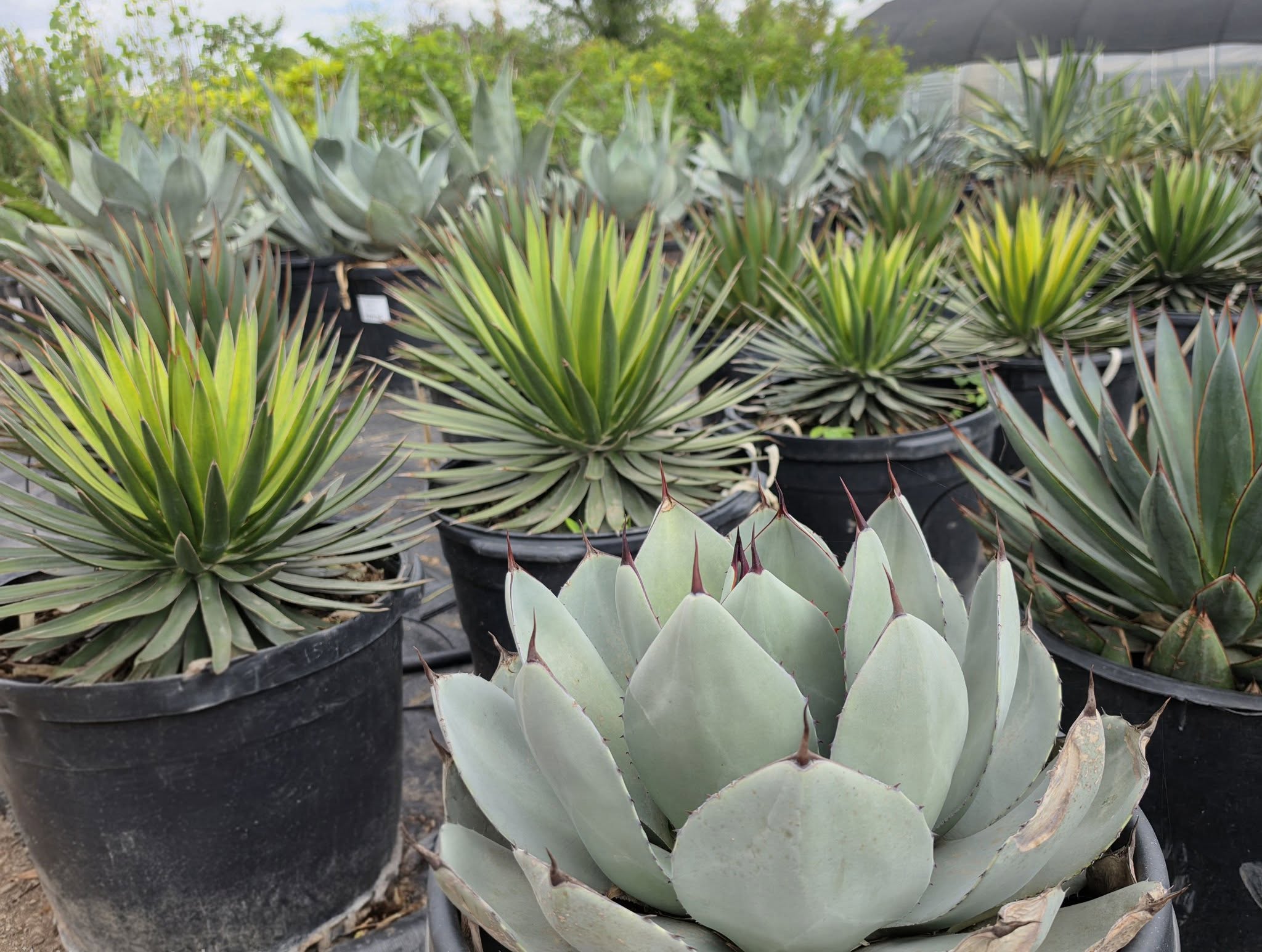
5. Agave and Yucca
The structural anchors of any xeric Hill Country landscape. Deer leave both completely alone — the spined leaves communicate clearly that this is not food. Agaves and yuccas provide bold architectural form year-round, require almost no water once established, and thrive in the rocky, shallow soils common on Kendall County acreage. Use them as focal points, entrance plantings, or in mass for dramatic effect. Century plant (Agave americana) is particularly striking; Soft-Leaf Yucca (Yucca recurvifolia) is the most manageable for residential settings.
6. Gulf Muhly Grass
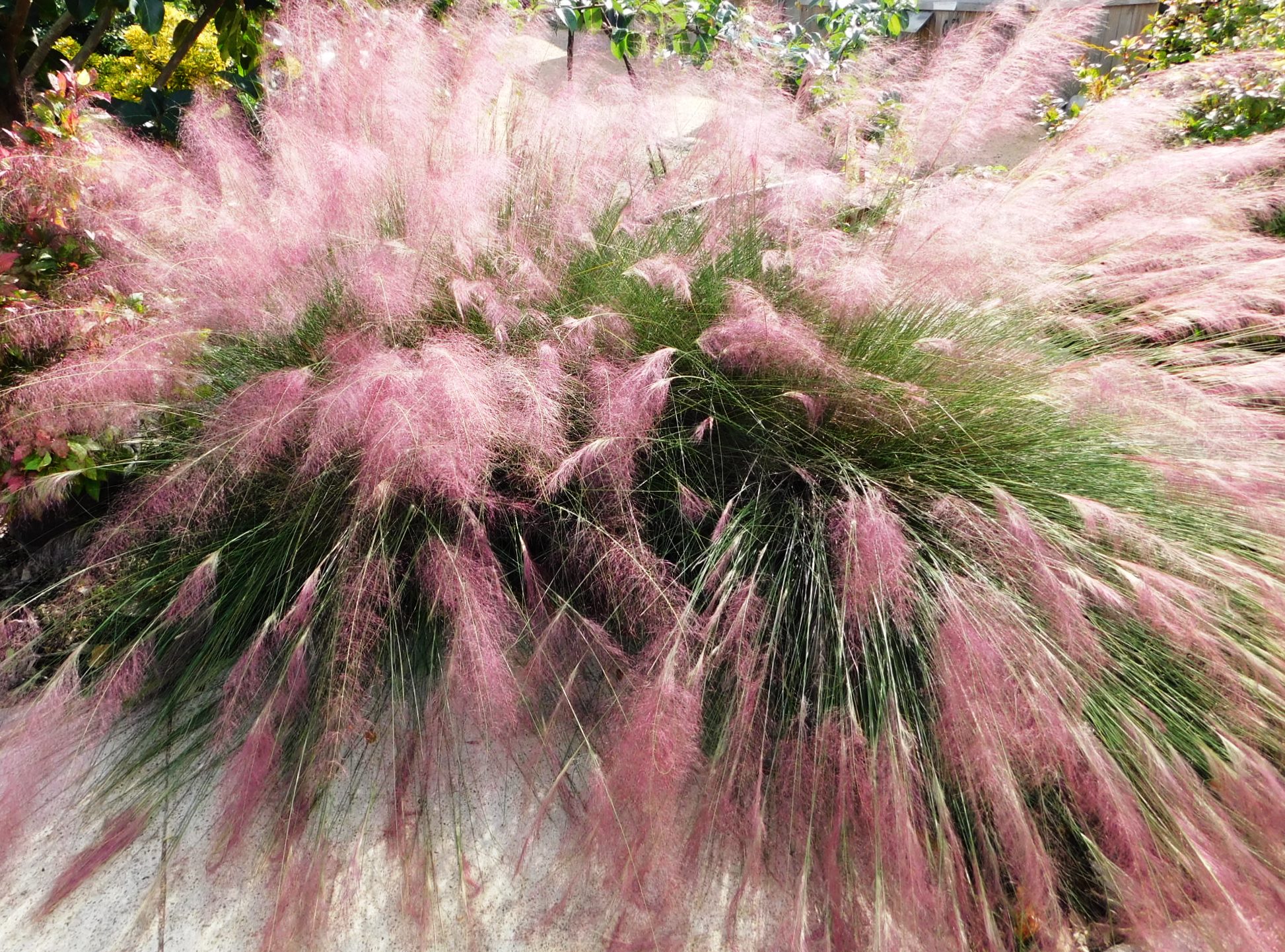
In October, Gulf Muhly Grass transforms into one of the most spectacular plants in the entire Hill Country landscape — a billowing cloud of rose-pink to purple plumes that catches the light in a way that stops people in their tracks. The rest of the year it's a tidy, fine-textured grass that asks for nothing. No deer pressure, almost no water after establishment, no maintenance beyond a hard cut in late winter. Plant it in masses of five or more where afternoon light will backlight the fall color.
7. Rock Rose — Pavonia lasiopetala
Delicate-looking but genuinely tough, Rock Rose produces small soft-pink blooms from spring through fall. It handles heat, drought, and rocky soil with ease, and deer consistently leave it alone. It naturalizes readily in Hill Country conditions and works beautifully as a mid-layer plant between taller shrubs and low groundcovers. Cut it back hard in late winter and it returns full and floriferous every spring.
8. Lantana
Borderline invasive in its enthusiasm, lantana is one of the most carefree, heat-loving, completely deer-resistant plants available for a Boerne TX landscape. The colorful flower clusters — yellow, orange, red, pink, and multicolor varieties available — appear in late spring and continue until frost. It requires almost no water once established, attracts butterflies in remarkable numbers, and laughs at the kind of heat that other plants simply cannot handle. Use it as a spreading groundcover or a low border plant in full sun.
9. Cenizo — Leucophyllum candidum
Cenizo is closely related to Texas Sage and shares its defining characteristic — a profusion of purple blooms triggered by humidity and rainfall. The silver foliage is beautiful year-round, the plant is extremely compact and tidy compared to standard Leucophyllum varieties, and deer have zero interest in it. Plant Cenizo in full sun with excellent drainage and it will reward you for decades. This is the plant that makes Hill Country landscapes look unmistakably, authentically Texan.
10. Mexican Feathergrass — Nassella tenuissima
Elegant and billowing, Mexican Feathergrass brings a softness and movement to a xeric landscape that no other plant quite replicates. The fine-textured foliage catches every breeze and glows gold in low light. Deer don't touch it, water requirements are minimal once established, and it self-seeds gently to fill in over time. Use it as a flowing edge plant, in masses between structural shrubs, or wherever you want texture and gentle motion in the landscape.
Deer-Resistant & Drought-Tolerant
for a Cohesive Design
a Hill Country August
Design Tips for the Hill Country Landscape
A beautiful Hill Country landscape is not random — it follows a logic that mirrors the natural landscape around it. These design principles will help you build something that looks intentional and performs reliably year after year.
Layer plant heights. Start with structural anchors at the back or center — agave, yucca, or a large Texas Sage. Build the mid-layer with medium shrubs like Autumn Sage, Esperanza, and Rock Rose. Edge with low spreaders like Lantana and Feathergrass. This creates depth and visual interest without overwhelming the landscape with competing heights.
Repeat groupings. Plant three to five of the same species together rather than one of everything. Repetition creates rhythm and cohesion. A single Texas Sage looks accidental; five Texas Sages in a sweeping mass look designed. This principle applies at every scale, from a small courtyard to a large acreage property.
Work with your soil. Most Kendall County properties sit on shallow rocky soil over limestone — exactly the conditions these plants evolved for. Amend sparingly if at all. Raised beds with imported soil can actually work against you with xeric natives that prefer excellent drainage and lean growing conditions. The Hill Country landscape does not want to be improved — it wants to be worked with.
Consider seasonal performance. Build a palette that offers something in every season: Texas Sage and Salvia in spring and fall, Esperanza and Lantana carrying the summer, Gulf Muhly providing the October spectacle, and the evergreen structure of rosemary, agave, and yucca holding the landscape through winter. A well-designed Hill Country garden is never bare.
Frequently Asked Questions — Hill Country Landscaping in Boerne TX
Q: Are any plants truly deer-proof in Kendall County?
A: No plant is completely deer-proof under extreme pressure — but agave, yucca, rosemary, lantana, and salvias are consistently among the least browsed plants in Hill Country landscapes. Building your foundational landscape around these plants dramatically reduces deer losses compared to planting traditional ornamentals.
Q: When is the best time to plant native Texas plants in Boerne?
A: Fall planting — September through November — is ideal for most Texas natives. The mild temperatures and seasonal rains allow roots to establish before the stress of a Hill Country summer. Spring planting works too, but requires more attentive watering through the first summer. Avoid planting during the peak heat of July and August if possible.
Q: Does landscaping with natives affect my property value in Kendall County?
A: A well-executed native landscape is a genuine selling point for Hill Country properties. Buyers recognize the value of low-maintenance, water-wise landscaping — especially in a region where water conservation is a real consideration. An established, well-designed xeric landscape communicates that a property has been cared for thoughtfully, which matters at appraisal time.
Q: What's the fastest-growing deer-resistant plant for screening in Boerne TX?
A: Esperanza (Tecoma stans) grows five to eight feet in a single season under good conditions and is completely deer-resistant. For evergreen screening, Texas Mountain Laurel (slow but stunning) or a mass of large Texas Sage are excellent choices. Mountain Laurel's grape Kool-Aid scented spring blooms are one of the Hill Country's great seasonal pleasures — and deer leave it entirely alone.
We are a team that lives here, gardens here, and has learned the hard way what the deer will and won't leave alone. A well-landscaped Hill Country property is one of the most beautiful things in Texas — and it starts with the right plants for the right place. At Rise Property Group, we love helping families find properties in Boerne TX and Kendall County that are ready to grow into something truly special.
Rise Property Group is a luxury real estate team based in Boerne, TX 78006, serving Boerne, Fair Oaks Ranch, Kendall County, and the broader Texas Hill Country. Led by Danielle Scott and the team at KW Boerne, Powered by Place. Learn more at www.therisepropertygroup.com or linktr.ee/Risepropertygroup.

.jpg)