
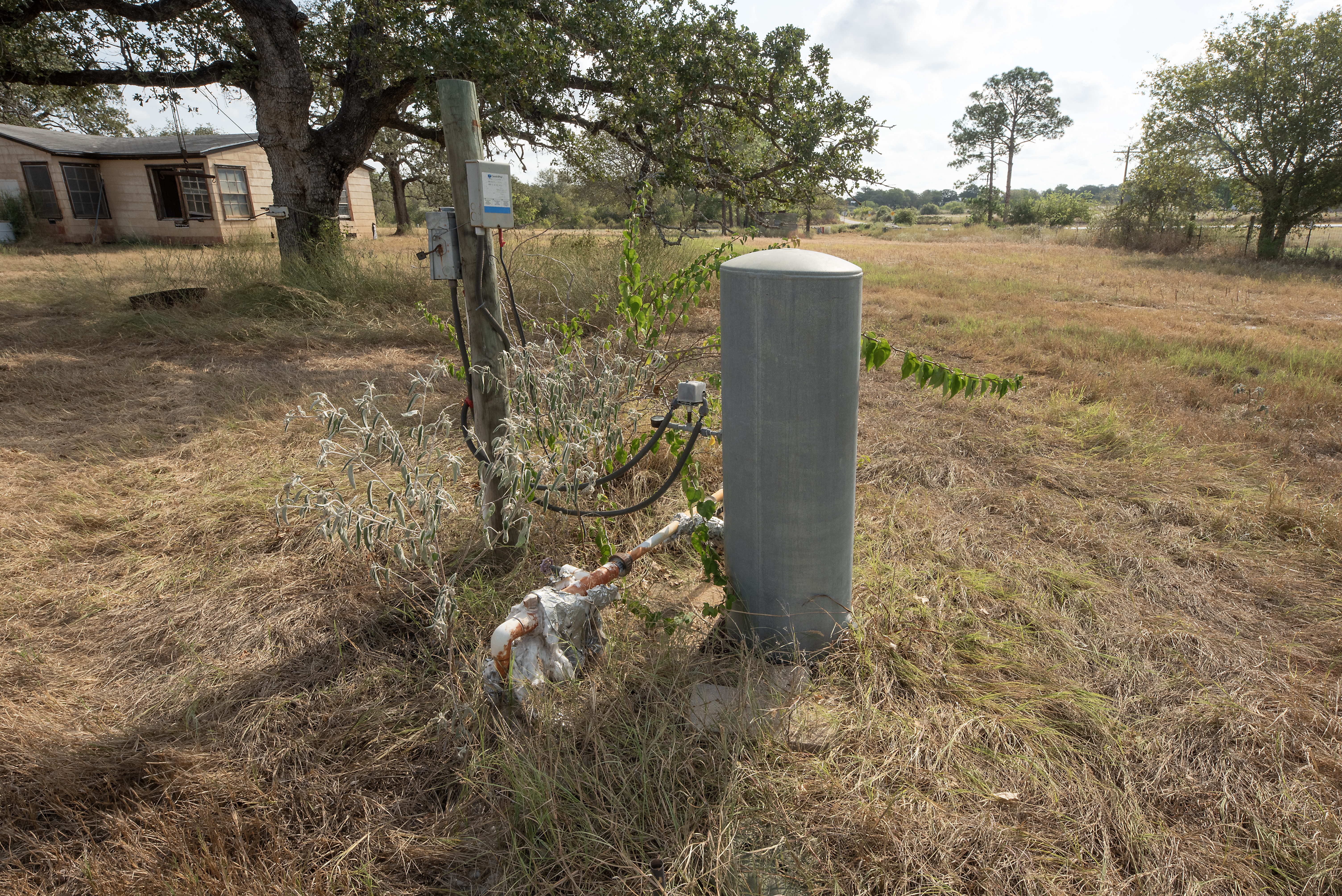
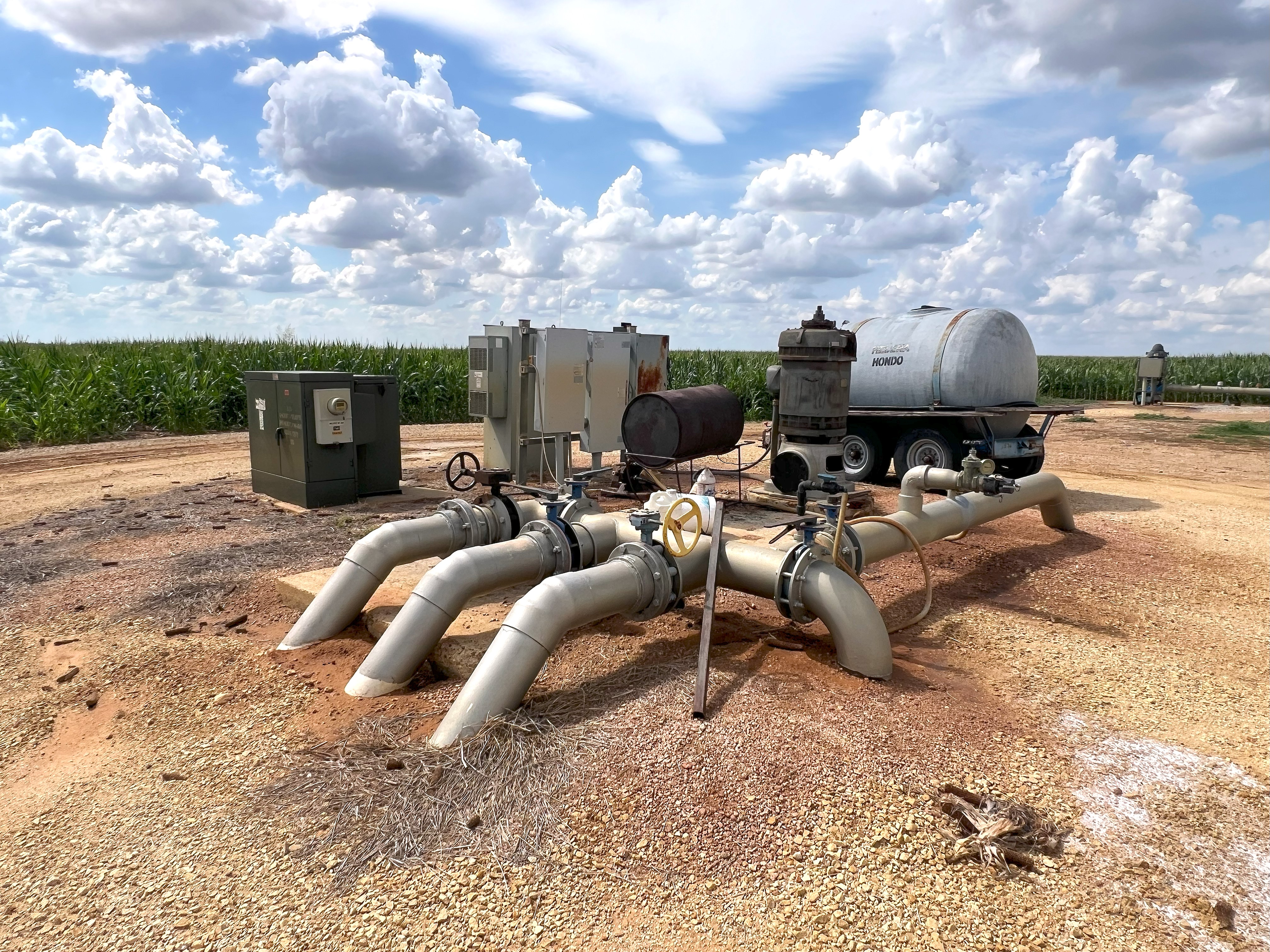
Private well owners on rural acreage in Kendall County and the Texas Hill Country have a responsibility — and an advantage — that city water customers don't. Fix leaks immediately, service your pressure tank annually, test your water every year, protect your wellhead with a chemical-free buffer zone, and consider rainwater harvesting as a legal, smart supplement to your supply. Your well is infrastructure. Treat it like it.
One of the questions we hear most from families buying rural acreage in Boerne TX and Kendall County is simple: What's it actually like to own a property on well water? The honest answer: it's one of the most rewarding parts of Hill Country land ownership — and one of the most misunderstood. You're not at the mercy of a municipality. You're in charge of your own water supply. That's a gift. And like most gifts worth having, it comes with responsibility.
Whether you're a longtime landowner or you just closed on your first piece of Hill Country acreage, understanding how to protect, conserve, and maintain your well system isn't optional — it's part of what it means to own land out here. We pulled together the most important practices for Texas Hill Country homeowners managing a private well, so you can protect your investment and your water supply for the long haul.
Fix Leaks Immediately — Every Drop Stresses Your System
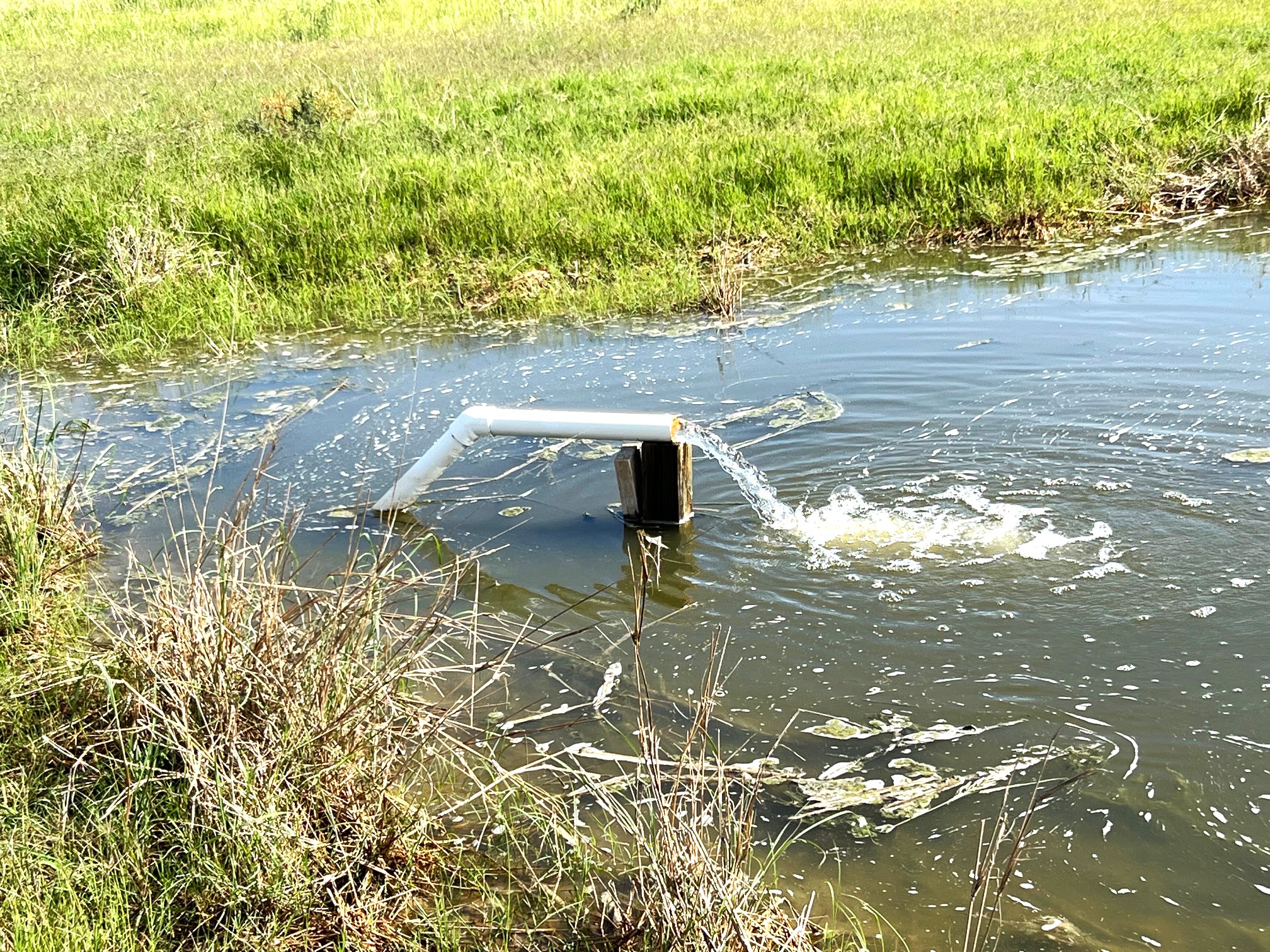
On a city water system, a leak is an inconvenience. On a private well in Kendall County, it's a slow drain on your entire infrastructure. A dripping faucet wastes more than 3,000 gallons per year. A running toilet can waste 200 gallons every single day. Those losses aren't just an environmental concern — they force your pump to cycle more frequently, stress your pressure tank, and quietly shorten the lifespan of equipment that costs real money to replace out here.
The rule is simple: fix leaks the same week you find them. A $12 fill valve or a worn washer addressed quickly is a thousand-dollar pump repair prevented. Check your faucets, toilets, and outdoor hose bibs at least seasonally — especially heading into summer when irrigation demand is already taxing your system. Drop food coloring in a toilet tank. If color appears in the bowl without flushing, you've got a leak. Walk your irrigation zones and look for wet spots or unusually green patches — signs of underground line failure. These are the small things that, caught early, keep your well running strong for decades.
"On a private well, you're not just conserving water — you're protecting your pump, your pressure tank, and years of infrastructure with every repair you make on time."
— Rise Property Group, Boerne TXUnderstand and Maintain Your Pressure Tank
Your pressure tank is the buffer between your well pump and your household demand. When it's working right, you barely know it's there. When it fails or loses its air charge, your pump runs constantly — short-cycling on and off in rapid succession, wearing itself out fast. Short-cycling is one of the leading causes of premature pump failure on rural acreage properties in Texas, and it's almost always preventable.
Have your pressure tank inspected annually. A qualified well service technician should check the air pressure in the tank, inspect the bladder for failure, verify your pressure switch settings, and confirm the cut-in and cut-out pressures match your home's demand. This is a simple service call — often $75 to $150 — that can add years to your pump's life. Think of it the way you think about an oil change: inexpensive, regular, and well worth it before something more serious shows up uninvited.
.jpeg)
Annual Water Quality Testing — Know What's Coming Out of Your Tap
Texas recommends testing well water at least once per year, and for good reason. Unlike municipal water, your private well has no ongoing treatment process. What enters the ground around you will eventually reach your water table — and your glass. At minimum, test annually for bacteria (Total Coliform and E. coli), nitrates, and pH. Bacterial contamination can occur after heavy rains or if your wellhead cap is compromised. High nitrates are particularly concerning for infants. Acidic water quietly corrodes your pipes and plumbing over time.
If your Hill Country acreage borders or sits near agricultural land — common across Kendall County — add pesticides, herbicides, and heavy metals to your annual panel. Many Hill Country families invest in a whole-house filtration system after their first water quality test reveals the elevated minerals and total dissolved solids common to the Edwards Plateau limestone geology beneath us. It's an investment worth making if your water warrants it — and in our experience showing and selling rural property across Kendall County, it often does. The Texas AgriLife Extension Service and the TCEQ both maintain lists of certified testing labs statewide.
Water-Smart Landscaping Around Your Wellhead
Your wellhead is the access point to your entire water supply — and it's more vulnerable than most homeowners realize. Surface water that pools near it, runoff from fertilized beds, and overspray from irrigation can all introduce contaminants into the casing and down toward your water table. The standard recommendation is to maintain a 50-foot buffer around your wellhead that is free from chemical fertilizers, pesticides, fuel storage, septic components, and heavy irrigation runoff.
Within that buffer, plant drought-tolerant native species that protect the soil without requiring chemical treatment or heavy watering. Texas natives like Buffalo Grass, Cenizo, Blackfoot Daisy, and Turk's Cap are all excellent choices for Hill Country landscapes near water infrastructure. They're also genuinely beautiful — and they'll keep right on blooming long after imported ornamentals have given up the fight in August. Good landscaping near your wellhead is land stewardship and water conservation working together, which is about as Hill Country as it gets.
.jpg)
Rainwater Harvesting — Texas's Best-Kept Water Secret
Here's something a lot of new rural landowners don't know coming in: rainwater harvesting is completely legal in Texas, and the state actively encourages it. Under Texas Water Code Section 26.136, residential rainwater collection is explicitly permitted — and the Texas Tax Code provides a sales tax exemption on harvesting equipment. For Hill Country acreage homeowners, a properly sized collection system is one of the smartest investments you can make in your property's long-term water independence.
During the spring and fall rainy seasons, a collection system can meaningfully reduce your well's workload — and build a reserve you can draw from during the dry stretches that are simply part of life in this part of Texas. A basic system starts with your roof (metal roofing, common on Hill Country homes and barns, is ideal), gutters directing flow to a first-flush diverter, and a polyethylene storage cistern ranging from 500 to 10,000-plus gallons depending on your needs. Even a modest setup paired with a 2,000 square foot metal roof can capture more than 1,000 gallons per inch of rainfall. In a Hill Country year averaging 30 to 35 inches of rain, that's a meaningful supplement to your well — especially for irrigation, livestock water, and landscape maintenance through the summer.
Per Year by One Dripping Faucet
Lost to a Running Toilet
Required Around Your Wellhead
Frequently Asked Questions About Well Water in Kendall County TX
Q: How often should I test my well water in Texas?
A: Texas recommends annual testing at minimum for bacteria, nitrates, and pH. If your Kendall County acreage neighbors agricultural land, add pesticides and heavy metals to your annual panel. After any major flooding event, or if you notice changes in taste, odor, or color, test immediately regardless of your regular schedule.
Q: How do I know if my pressure tank is failing?
A: The most common sign is short-cycling — your pump turns on and off rapidly, sometimes several times per minute. You may also notice pressure fluctuations at your faucets, or hear the pump running almost continuously. A waterlogged pressure tank with a failed bladder is usually the cause, and it's relatively inexpensive to repair or replace before it takes your pump with it.
Q: Is rainwater harvesting legal in Texas?
A: Completely legal — and encouraged. Texas Water Code Section 26.136 explicitly permits residential rainwater collection, and the Texas Tax Code provides a sales tax exemption on harvesting equipment. For irrigation use, no treatment is required. For indoor potable use, appropriate filtration is recommended. It's one of the smartest water investments a Hill Country landowner can make.
Q: What native plants are safe to use near a wellhead?
A: Drought-tolerant Texas natives are ideal within your 50-foot wellhead buffer. Buffalo Grass, Cenizo (Texas Sage), Blackfoot Daisy, Turk's Cap, and Flame Acanthus all thrive in Hill Country conditions with minimal water and no chemical treatment — which is exactly what you want near your water supply.
Q: Does well water quality affect property value in Kendall County?
A: More than most sellers expect. Buyers of rural acreage in Kendall County consistently ask about water systems. A well-documented history with clean annual test results, updated equipment, and a service record is a genuine selling advantage. Deferred well maintenance and poor water quality, on the other hand, create financing hurdles and negotiation leverage for buyers. Invest in your water system the way you invest in your land — with a long view.
We are a team that lives here, works here, and owns land in this community. We know which properties sit over strong aquifer zones, which ones have seen pump issues in dry years, and what it actually costs to pull and replace a well pump on a working ranch. At Rise Property Group, the best part of helping families buy or sell rural property in Boerne TX is watching them settle into a life that's more grounded, more intentional, and more deeply theirs. Good land stewardship starts with the water beneath your feet.
Rise Property Group is a luxury real estate team based in Boerne, TX 78006, serving Boerne, Fair Oaks Ranch, Kendall County, and the broader Texas Hill Country. Led by Danielle Scott and the team at KW Boerne, Powered by Place, Rise Property Group specializes in residential sales, rural acreage, relocation, and new construction across communities including Balcones Creek, Esperanza, Cordillera Ranch, Menger Springs, and Corley Farms. Learn more at www.therisepropertygroup.com.
Thinking about buying rural acreage in Kendall County — or already here and curious what your land is worth in today's market? We would love to connect. Reach out at therisepropertygroup.com or explore all our resources at linktr.ee/Risepropertygroup.



.jpg)