
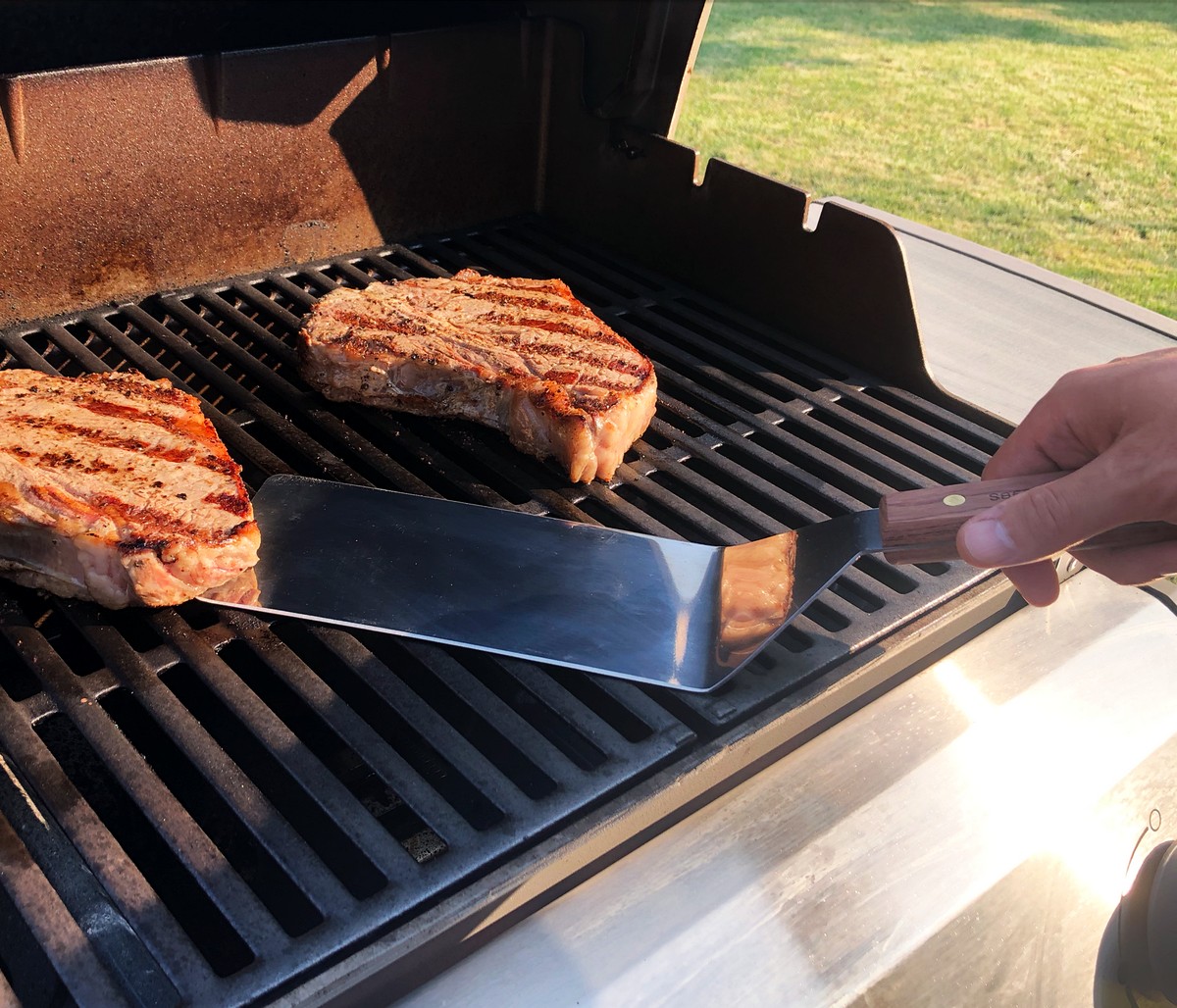
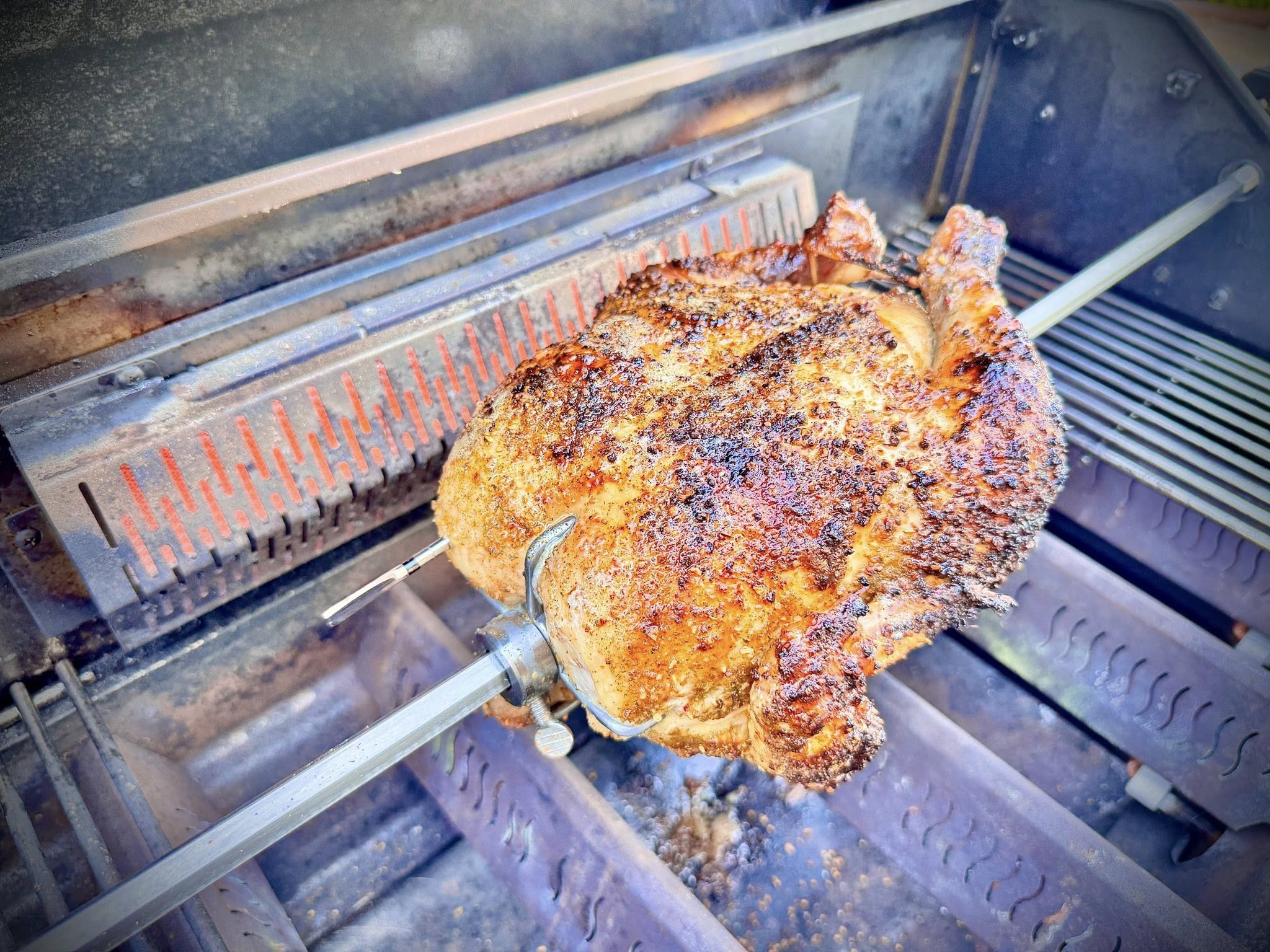
 REPLACE WITH HERO IMAGE
Grilling safely in the Texas Hill Country means following the universal basics — 10 feet from structures, never unattended, fire extinguisher within reach — and adding Hill Country-specific awareness: check Kendall County burn ban status before every grill session, never grill in high wind, keep combustibles clear, and dispose of ash in a sealed metal container. For propane, check connections before every use. For charcoal, never restart with lighter fluid and wait hours before disposal. And never — ever — put water on a grease fire. Close the lid and cut the gas.
We love a good Texas back porch evening as much as anyone. The smoke rising from the grill, a cold drink in hand, the Hill Country sky doing what it does at sunset — it is one of the genuinely great pleasures of living here. And we are not here to take the poetry out of it. But we are here to make sure everyone gets to do it again next weekend.
Grills are one of the leading causes of home fires and injuries in the United States, and in the Texas Hill Country, the combination of cedar-heavy vegetation, seasonal drought, and periodic high winds creates conditions that make outdoor fire awareness genuinely critical. These are not remote risks for a generic homeowner somewhere else — they are the reality of owning a property in Boerne TX and Kendall County. Know them, respect them, and grill with confidence.
The Basics That Save Lives
These are not suggestions. They are the non-negotiable foundation of safe outdoor grilling anywhere — and especially in the Hill Country.
Keep the grill at least 10 feet from your home, deck railing, overhangs, and wooden fences. This distance is not arbitrary — it is the minimum buffer that prevents radiant heat and escaping embers from igniting nearby structures. On a cedar-and-wood-deck property common throughout Kendall County, this matters more than the standard recommendation suggests. If your current grill setup does not meet this distance, move it before you fire it up again.
Never leave a lit grill unattended, even briefly. Every "I'll just be a minute" story ends the same way. The grill does not care about your intention to come back quickly. A grease flare-up, a shift in wind, an ember catching a dry cedar branch — these things happen in seconds. Stay with the grill.
Keep children and pets at least 3 feet from the grill at all times. This is the burn zone — the area where an accidental contact with the grill body, a grease splatter, or a sudden flare-up can cause serious injury. Establish and enforce this boundary consistently.
Use long-handled grilling tools. Your forearms and the grill grate should not be close acquaintances. Long-handled tongs, spatulas, and brushes exist precisely to keep your hands and arms safely away from the heat source.
Have a fire extinguisher or a bucket of sand within reach — and know how to use it. A fire extinguisher hanging in the garage does not help you at the grill. Keep one accessible and know how to operate it before you need it. Sand is an effective backup for small fires and works without risk of splash-back. Know your options.
"In the Texas Hill Country, a dry summer and a cedar-heavy landscape make outdoor fire awareness part of being a responsible neighbor, not just a responsible homeowner."
— Rise Property Group, Boerne TXWildfire Awareness — Hill Country Specific
This section is specific to our region and cannot be overstated. The Texas Hill Country experiences periodic drought conditions and high wind events that create extreme wildfire risk. The cedar and juniper landscape that makes Kendall County so beautiful is also highly combustible under dry conditions — cedar in particular is one of the most flammable native trees in Texas. Every grill session during summer months should begin with a quick environmental check.
Check the Burn Ban Before You Fire Up
Kendall County, like most Texas counties, issues burn bans when drought and fire conditions reach dangerous levels. In some circumstances, active burn bans apply to outdoor cooking — not just open burning of debris. Check the current Kendall County burn ban status before every outdoor cooking session during dry conditions. The County Judge's office and the Kendall County website both publish current status. This takes thirty seconds and protects both your property and your neighbors'.
Never Grill in High Wind Events
Wind does two dangerous things to a grill: it fans flames hotter and faster than intended, and it carries embers to places you cannot predict or control. A grill ash ember that travels thirty feet in a gusting south wind and lands in dry cedar mulch is how wildfires start in residential Hill Country neighborhoods. If the flags are snapping and the cedar is swaying, wait for a calmer evening.
Clear Combustibles from the Grill Area
Keep all combustible materials — dry leaves, cedar debris, mulch, wooden furniture, outdoor rugs — well away from the grill area, especially on dry days. On a Hill Country property where cedar leaf litter accumulates readily, a seasonal clear-out around outdoor cooking areas is a worthwhile habit. A clean grill zone is a safe grill zone.
Dispose of Ash in a Metal Container with a Lid
Grill ash — especially charcoal ash — retains heat for far longer than most people expect. Ash that appears cold and gray can still contain live embers capable of igniting combustibles for up to 24 hours after cooking. Dispose of ash only in a metal container with a tight-fitting lid, never in paper bags, cardboard, or plastic. Never dump grill ash in a trash can without confirming it is completely cold — and in the Hill Country, confirm it twice.
Propane vs. Charcoal — Know Your Fuel
The safety considerations for propane and charcoal grills differ in important ways. Know your setup and apply the right protocols.
Propane Safety
Check connections for leaks before every use. Apply a soap and water solution to all connections, hoses, and the regulator. Bubbles indicate escaping gas. Do not use the grill until any leaking connection is repaired or replaced. This takes two minutes and prevents disasters that take much longer to recover from.
Never store spare propane tanks in an enclosed space. Propane tanks — even "empty" ones that retain residual gas — should never be stored in a garage, shed, or basement. Store them upright, outdoors, away from heat sources and direct sunlight. If a tank's valve is damaged or a seal is compromised, a tank stored in an enclosed space can create a genuinely dangerous accumulation of gas.
Turn off both the grill burners and the tank valve after every use. Leaving the tank valve open with the burners off can allow gas to accumulate if a burner valve develops even a minor leak. Full off means the tank valve is closed, not just the burners.
Charcoal Safety
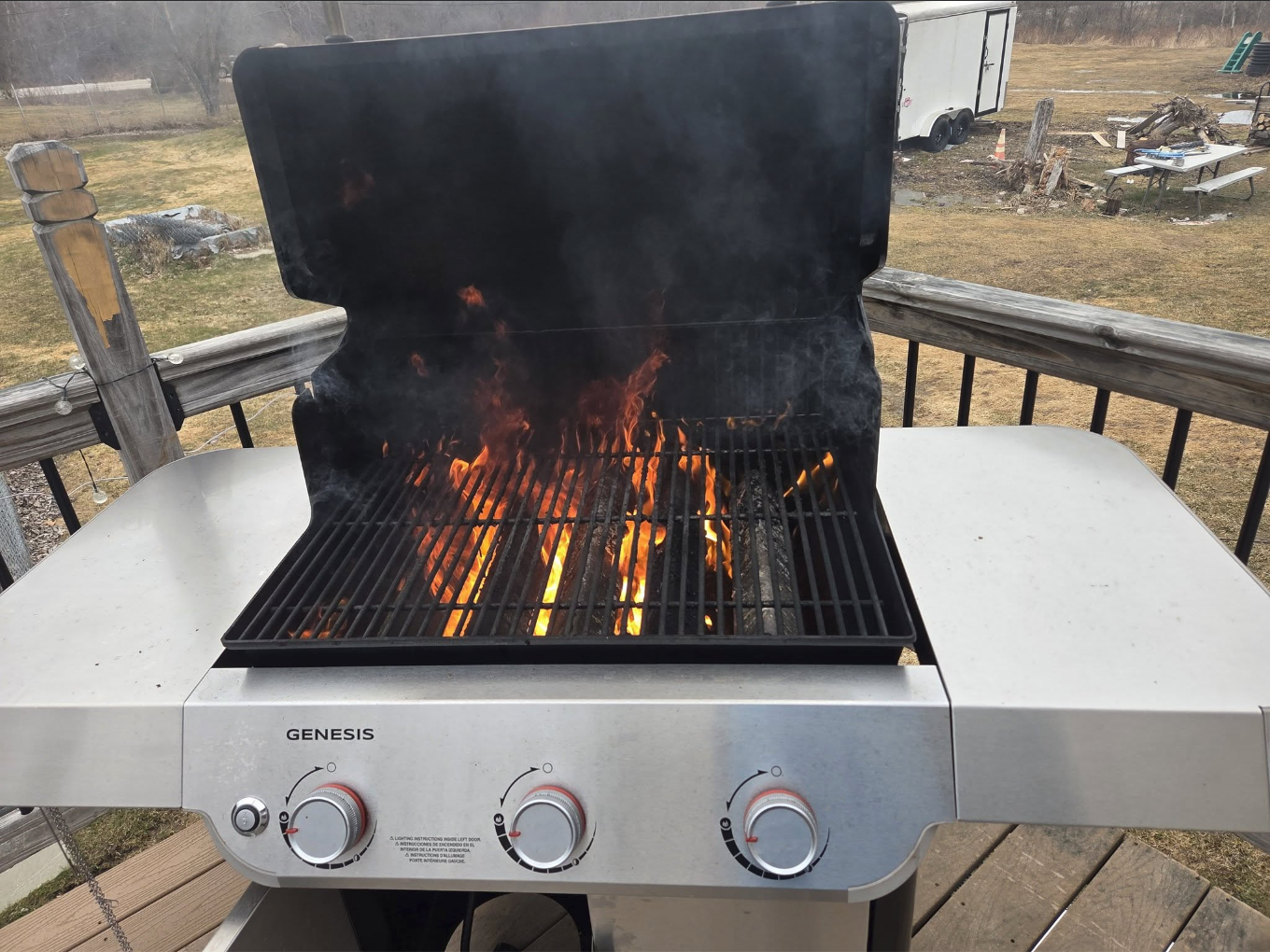
Never use lighter fluid to restart a partially lit fire. Lighter fluid applied to hot coals — even coals that appear to have gone out — can ignite explosively. If your fire needs reviving, use a chimney starter with fresh charcoal alongside the existing bed, or allow the existing coals to expire and restart from scratch.
Coals remain hot for many hours after cooking. A charcoal grill that looks done after an hour is often still very much active under the surface. Never move a grill with hot coals, and never transport it in a vehicle or enclosed space. Allow coals to cool completely — at minimum overnight — before handling ash for disposal.
from All Structures
Ash Disposal
on a Grease Fire
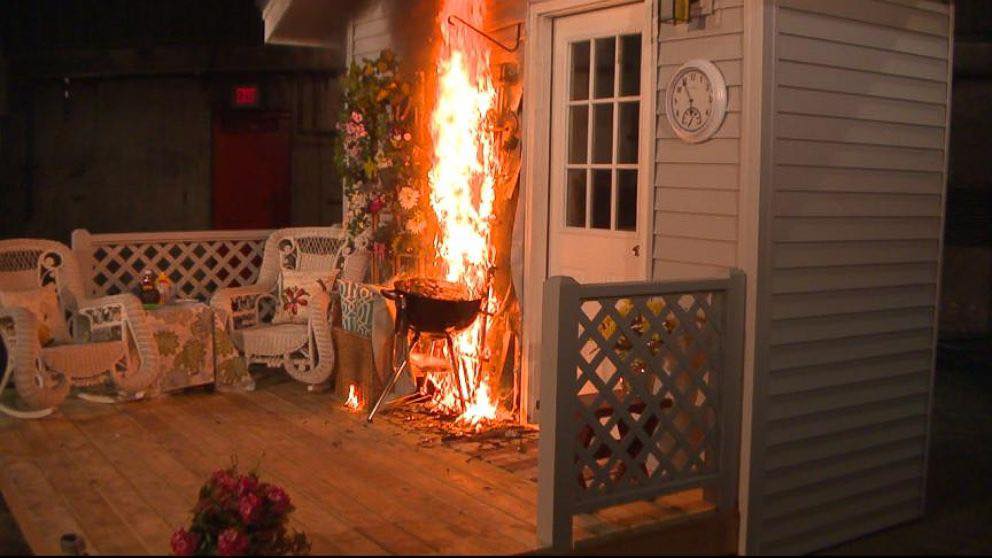
A Grease Fire Is Not a Water Fire
This deserves its own section because it is one of the most common and most dangerous mistakes made at a grill, and knowing it before you need it could save your home.
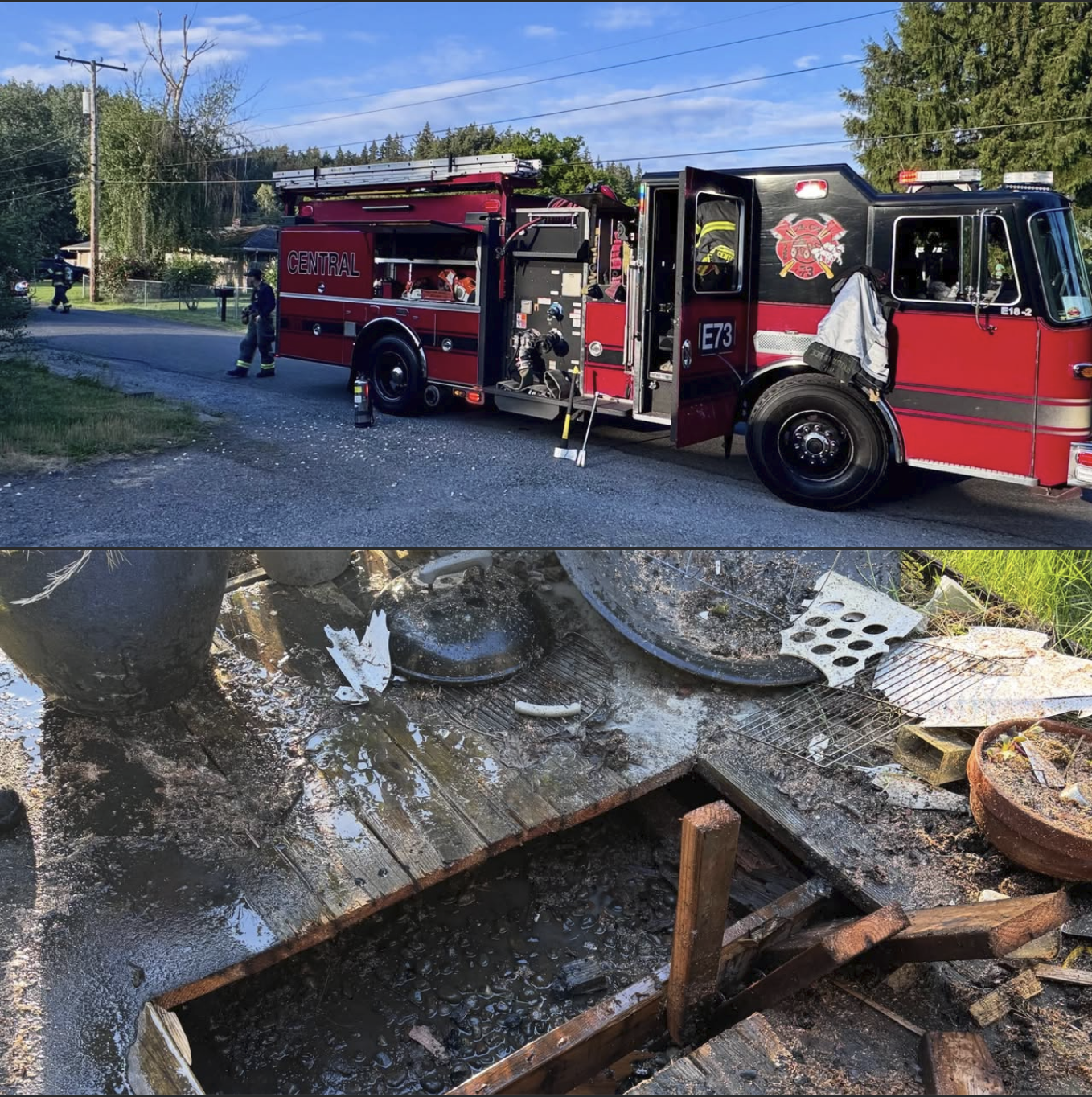
Never pour water on a grease fire. Water and hot grease produce a violent reaction — the water flash-vaporizes instantly and carries burning grease in every direction. What was a contained flare-up becomes a fireball. This is not a metaphor. It is physics, and it happens faster than you can step back.
If you have a grease fire on your grill, do these things in this order: close the grill lid to cut off oxygen and smother the flames, then turn off the gas at the burner controls or, if the fire is significant, at the tank valve. If the fire does not immediately die down with the lid closed, use a fire extinguisher rated for grease fires (Class B or Class K) — not water, not a garden hose, not a wet towel. Know what kind of extinguisher you have before you need it.
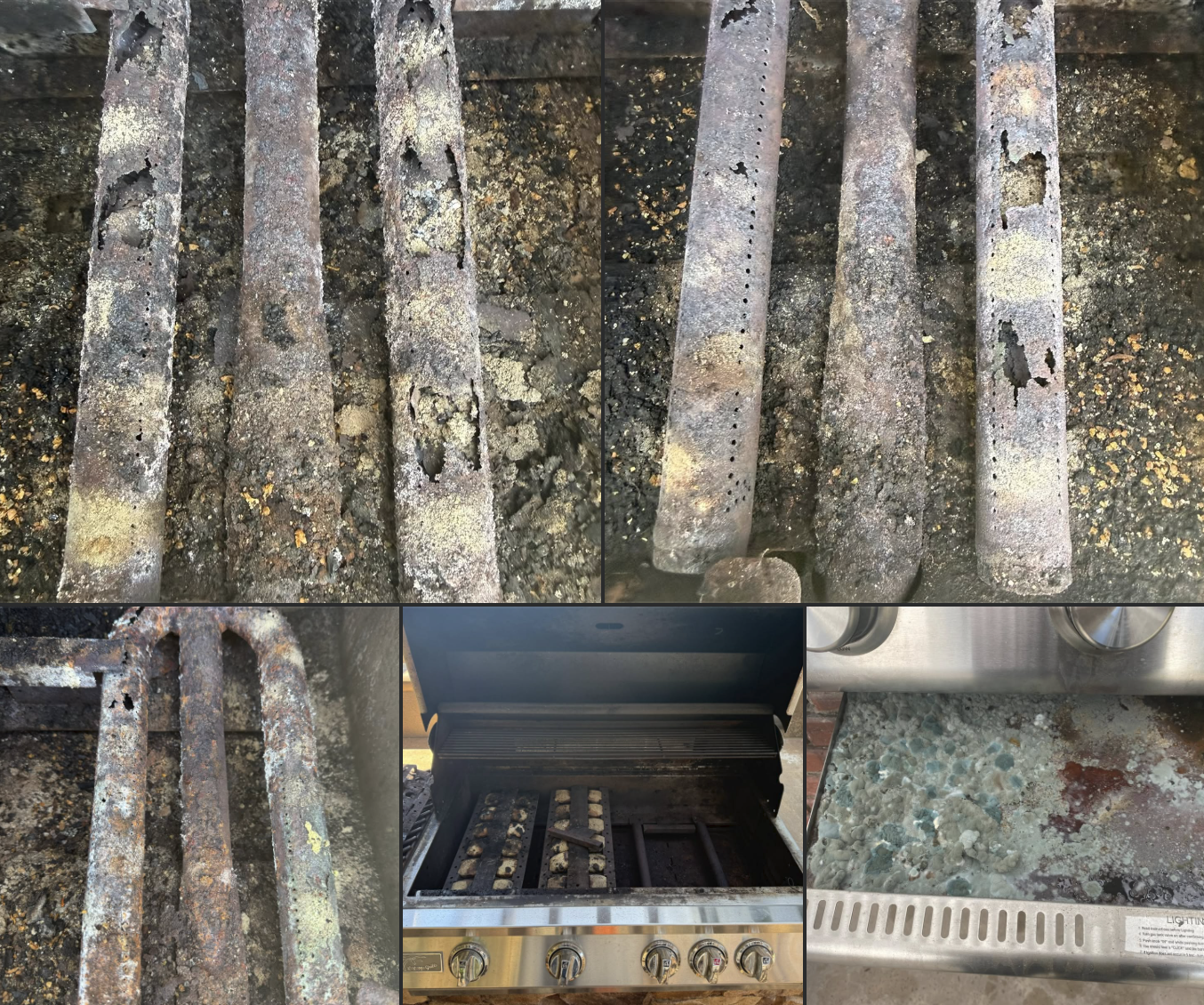
Grease fires are preventable with regular grill cleaning. A grill with built-up grease in the drip tray and on the grates is significantly more likely to produce a flare-up than a clean one. Clean your grill at least once a month during heavy use seasons and empty the grease trap regularly. In the Hill Country summer, when temperatures are high and humidity is low, this maintenance habit is especially worth keeping.
Frequently Asked Questions — Grilling Safety in the Texas Hill Country
Q: How do I check if Kendall County has an active burn ban?
A: Visit the Kendall County website or the County Judge's office page, which typically posts current burn ban status. The Texas A&M Forest Service also maintains a statewide burn ban map at texasforestservice.tamu.edu. During dry summer months, check before every outdoor cooking session — conditions can change quickly.
Q: Does a burn ban in Kendall County apply to backyard grilling?
A: It depends on the specific order. Some burn bans restrict open burning only; others restrict all outdoor fires including charcoal and wood-burning grills. Propane and natural gas grills with enclosed burners are typically exempt, but verify the specific language of the active order before assuming. When in doubt, grill with gas or wait.
Q: What kind of fire extinguisher should I keep near my outdoor grill?
A: A multi-purpose dry chemical extinguisher rated ABC is the standard recommendation for home use and works on grease fires. A Class K extinguisher is more effective on cooking grease fires but is typically found in commercial kitchens. An ABC extinguisher kept accessible near your grill and inspected annually is the practical right answer for most Boerne TX homeowners.
Q: How far does a grill need to be from the house in Texas?
A: The standard recommendation — and the minimum we suggest in the Hill Country — is 10 feet from your home, deck railing, overhangs, fences, and any other combustible structure. In a cedar-heavy landscape or during dry conditions, more distance is better. Check with your homeowner's insurance policy as well — some carriers have specific requirements for outdoor grilling distance.
We are a team that loves a good backyard evening as much as anyone in Boerne TX. We also know this landscape — the cedar, the dry summers, the wind — and we take fire awareness seriously because we have seen what happens when it is not taken seriously. Grill confidently. Grill carefully. And enjoy every minute of it.
Rise Property Group is a luxury real estate team based in Boerne, TX 78006, serving Boerne, Fair Oaks Ranch, Kendall County, and the broader Texas Hill Country. Led by Danielle Scott and the team at KW Boerne, Powered by Place. Learn more at www.therisepropertygroup.com or linktr.ee/Risepropertygroup.

.jpg)