
Categories
Texas Farm and Ranch, San Antonio Real Estate, Texas Hill Country Real Estate, Boerne Texas Homes, Boerne Real Estate, Boerne Home Selling, Boerne Home Buying, Boerne Land For Sale, Boerne Community & EventsPublished July 9, 2026
What Are Closing Costs in Texas for a Buyer?

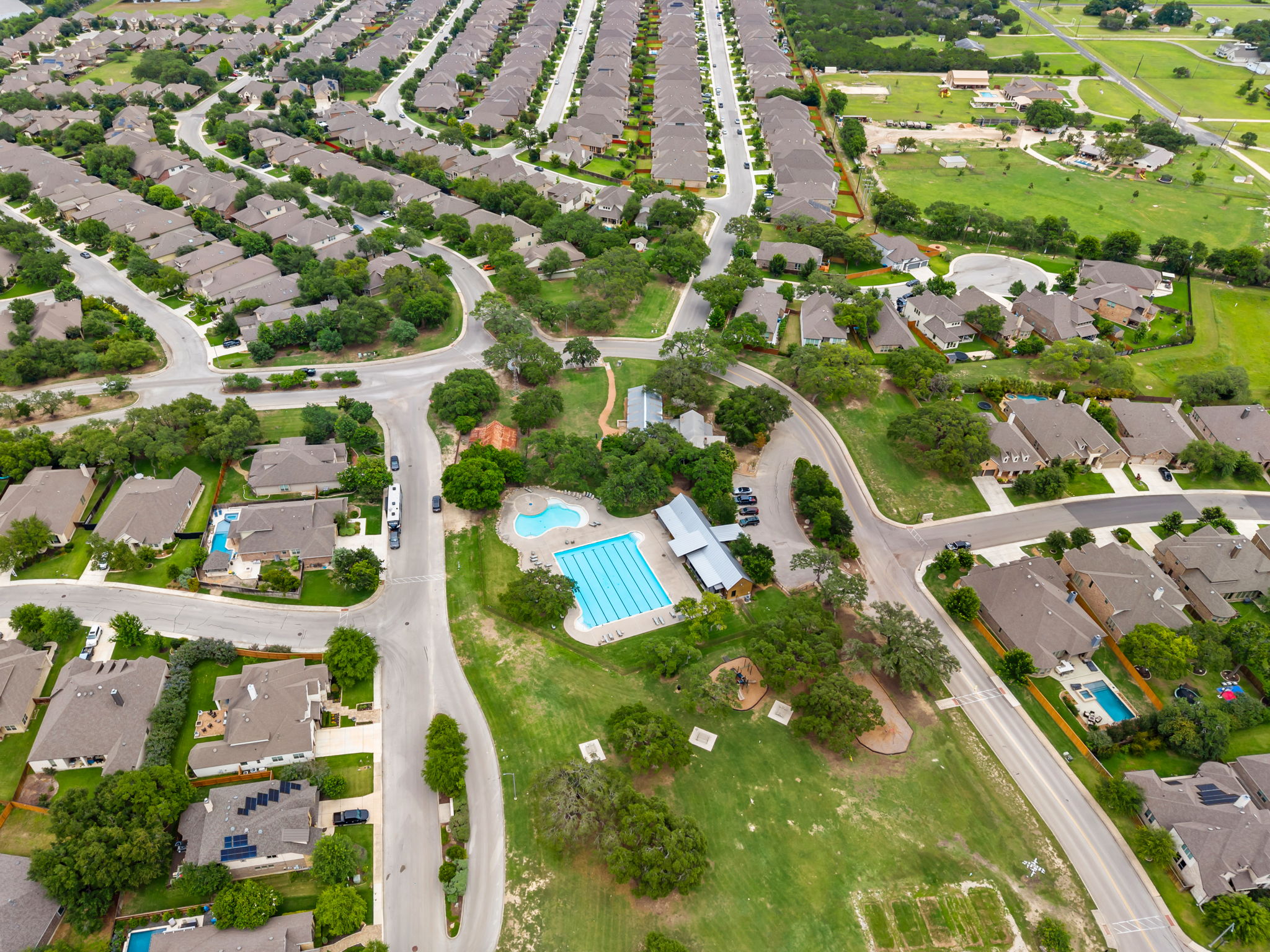
Your offer is accepted. The inspection is done. Closing day is in sight. Then the closing disclosure lands in your inbox and suddenly there are fees you did not plan for. Here is the full picture so you are not caught off guard.
What Are Closing Costs?
Closing costs are fees paid at the end of the home-buying process to cover the services that make a real estate transaction legally and financially complete. They include fees from your lender, the title company, the appraiser, the inspector, and various government recording entities. In Texas, both buyers and sellers pay closing costs, though buyers generally carry the larger portion of lender-related fees.
How Much Should Texas Buyers Expect to Pay?
Buyer closing costs in Texas typically range from 2% to 6% of the purchase price, depending on the loan type, property value, and local fees. On a $400,000 home, that translates to roughly $8,000 to $24,000 in closing costs on top of your down payment. The median Texas home was priced around $375,000 in mid-2025, according to Ramsey Solutions, making a realistic ballpark for many buyers somewhere between $7,500 and $22,500.
What Do Buyer Closing Costs Include?
Common buyer closing costs in Texas include the following, based on data from iBuyer.com and Herring Bank:
- Loan origination fee: Typically around 1% of the loan amount, charged by the lender for processing your mortgage.
- Appraisal fee: Usually between $300 and $500, paid to have a professional assess the home's value.
- Title insurance: Protects against ownership disputes and title defects. Texas custom is for the seller to pay the owner's title policy, but buyers pay for the lender's policy.
- Home inspection fee: Typically $300 to $500 for a general inspection.
- Land survey fee: Starting around $250, required to confirm property boundaries.
- Escrow fee: Paid to the title company for managing the transaction, typically around $350.
- Prepaid interest: Interest owed from the closing date to your first mortgage payment.
- Property tax escrow: A portion of estimated annual property taxes held in escrow by the lender.
- Homeowners insurance: Most lenders require proof of insurance at or before closing, with the first year often paid upfront.
One Major Advantage Texas Buyers Have
Unlike many states, Texas has no state real estate transfer tax. States like New York and Delaware charge 1% to 2% of the sale price in transfer taxes alone, which can add thousands of dollars to a buyer's cost. Texas buyers avoid that entirely, which is a meaningful financial advantage when comparing relocation destinations.
Can You Negotiate Closing Costs?
Yes. In today's Texas market, seller concessions toward buyer closing costs are increasingly common. Sellers can offer a flat dollar amount or a percentage of the purchase price to help buyers cover their upfront costs. Your lender can also offer credits in exchange for a slightly higher interest rate. Shopping your loan with at least three lenders can save $2,000 to $3,000 in origination fees alone, according to Herring Bank's 2026 closing cost analysis. A skilled real estate agent will guide you through negotiating these costs before you ever sign a contract.
Have questions about what closing will actually cost you?
We walk every buyer through closing costs before they ever make an offer. No surprises, no stress — just a clear picture of what it takes to get to the finish line. Call us and let's walk through the numbers together.
Call or text Rise Property Group at (210) 300-2744 | therisepropertygroup.com
Rise Property Group | KW Boerne, Powered by PLACE | Licensed in Texas | therisepropertygroup.com

Dainelle Scott
Team Owner | Rise Property Group | Keller Williams Boerne | PLACE
or another way